Across North America, sustainability in transportation is no longer an emerging trend — it’s the defining standard of modern logistics. For private fleets, this means that meeting environmental goals requires both innovation and strategic collaboration.
The final post in our Private Fleet Sustainability Made Easy series explores the final tip for fleet sustainability — outsourcing fleet management — and provides a handy checklist for finding the right partner to fit your needs.
Tip 5: Outsource Fleet Operations to a Sustainability Expert
You see, sustainability in fleet management is not a one-time project — it’s an ongoing, data-intensive commitment that touches every aspect of operations. From route design and mode selection to emissions measurement and compliance reporting, managing these responsibilities internally can stretch even the most experienced logistics teams.
That’s why many companies are turning to dedicated fleet partnerships as a smarter path forward. By outsourcing fleet operations to a partner with proven sustainability expertise, shippers gain access to advanced technology, specialized talent, and industry insights without shouldering the full burden of program development and management.
What do I look for in a sustainability-focused transportation partner?
If you are considering outsourcing, here’s a checklist of what to look for if you have sustainability in mind:
- Load and Route Consolidation. Reducing the number of total trips by combining compatible freight, tightening delivery windows, and improving asset utilization. This decreases miles traveled, emissions, and fuel consumption.
- Mode Choices. Evaluating where freight can shift to more carbon-efficient modes — such as rail, intermodal, or partial BEV deployment — while maintaining service levels.
- Warehouse Configuration. Aligning warehouse layout, dock flow, staging practices, and network design to minimize unnecessary vehicle movements and reduce energy usage across the distribution network.
- Driver Performance. Implementing programs that train and incentivize drivers to operate safely and efficiently, including smooth acceleration, reduced idling, consistent speeds, and optimized braking.
- Vehicle and Fueling Trade-Offs. Assessing the right mix of diesel, hybrid, biodiesel, BEV, and alternative-fuel assets based on duty cycles, routes, climate conditions, and available charging or fueling infrastructure.
- Design Emission Measurement and Reporting Programs. Developing reliable, auditable methods to track carbon output across the fleet — a core requirement for ESG reporting, certification programs, and customer sustainability scorecards.
- Map Routes for Greener Fueling and Charging Stops. Integrating charging infrastructure and alternative fueling locations into route planning to reduce emissions while maintaining operational efficiency.
- Reduce Trips and Miles Traveled. Leveraging optimization tools, consolidation strategies, and smarter planning to cut unnecessary mileage — one of the most direct ways to lower carbon impact.
- Reduce Travel Time. Designing schedules and routes that avoid congestion, weather disruptions, and backtracking, improving both sustainability and on-time performance.
- Save on Fuel and Emissions. Combining engineering, technology, and driver behavior initiatives to achieve measurable reductions in fuel consumption and greenhouse gas output.
- Software Solutions. Deploying data-driven tools such as TMS platforms, telematics, predictive analytics, and load-planning software to integrate sustainability into daily operations.
- Keeping Sustainability Efforts on Track and on Budget. Providing strategic oversight, continuous measurement, and cost analysis to ensure every initiative remains aligned with financial goals, regulatory requirements, and emissions targets.
A dedicated fleet model brings all these capabilities together under a single operational framework — giving companies a practical pathway to achieve sustainability goals while maintaining high service performance.
Advantages of outsourcing
At the strategic level, outsourcing also brings a broader perspective. Providers like TA Dedicated draw on lessons from across dozens of client operations to benchmark best practices, design greener routing networks, and ensure every sustainability initiative stays on budget and on schedule. In TA Dedicated’s case, participation in the ACT Fleet Forum — a national network of early adopters of clean vehicle technologies — ensures continuous learning and alignment with emerging standards in fleet electrification.
The result is a partnership model that delivers measurable progress today and positions private fleets for the zero-emission supply chains of tomorrow.
Building towards long-term sustainability
As sustainability reporting evolves into a business requirement, private fleets that act now will gain a significant strategic advantage. Companies that adopt electric vehicles, optimize routing, and leverage dedicated fleet partnerships can document progress transparently and build stakeholder trust.
The path to net-zero isn’t a single leap — it’s a series of practical, data-driven steps. Whether electrifying the yard, upgrading assets, or engaging a dedicated fleet expert, the key is consistent progress supported by reliable measurement and experienced guidance.
Conclusion
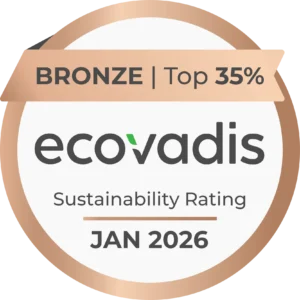
The next chapter of fleet sustainability begins with partnerships that turn strategy into measurable results. TA Dedicated delivers dedicated fleet programs that help shippers meet aggressive sustainability goals through optimized routing, electric vehicle integration, and advanced emissions management. TA Dedicated partners with EcoVadis, a global leader in sustainability ratings, and has earned Bronze certification for its ongoing commitment to reducing fuel consumption and CO₂ emissions.
Download our white paper, Private Fleet Sustainability Made Easy — Five Tips for Success, to explore actionable strategies and real-world results from across the industry.
To learn more about TA Dedicated’s sustainability strategies and how we can help you meet your goals, contact us at 651-686-2500.