Hazmat hauling is the ultimate proving ground for safety practices. It has to be; the consequences of accidents, incidents, and spills can be catastrophic. This type of high-risk hauling is best left to experienced hazmat experts, and better yet, to a dedicated fleet provider with drivers who’ve been specially-trained to haul your specific materials.
If you’re concerned about your company’s liability shipping hazmat, you should be. There were more than 24,000 reported incidents totaling close to $53 million in damages in 2024. Non-compliance is another serious risk of hazmat transportation. Failure to adhere to government regulations can bring steep fines and have severe consequences.
During my time as a dedicated account leader on one of our largest enterprise hazmat accounts, it became clear that hazmat requires an extra layer of attention to detail and is not for everyone. Drivers and everyone on the team must be educated and aligned on expectations to be successful. Here are my top tips for safe, compliant and efficient hazmat hauling.
1 – Paperwork compliance
Safe and compliant hazmat transportation starts with having shipping papers in order and close at hand in the cab. This is vital in the event of an accident so that first responders know the details of what they are dealing with. Per the Federal Motor Carrier Safety Administration (FMCSA), information on the shipping papers must include:
- The identification number, identified in the Hazardous Materials Table
- The proper shipping name, identified in the Hazardous Materials Table
- The hazard class
- The packing group, identified in Roman numerals, when required
- The total quantity of hazardous materials
- The number and type of packages holding the hazardous contents
- Any additional description requirements per 49 CFR Section 172.203
- An emergency response phone number that is monitored during transport
Additionally, every hazmat container needs a label with the proper shipping name and identification number of the hazardous materials in the container. Depending on the material there may be additional marking requirements.
2 – Hazmat placards
Placards are standardized signs positioned on the outside of trailers transporting hazmat. They must align with the information on the shipping papers and labels. There are 9 different types of hazmat placards.
- Corrosives
- Explosives
- Gasses
- Flammable liquids
- Flammable solids
- Miscellaneous dangerous goods
- Organic peroxides / oxidizing substances
- Radioactive materials
- Toxic and infectious substances
Accurate placards are essential for first responders in the event of an emergency. They are required by law to be on all four sides of the trailer and in good condition. Specific requirements can be found on the FMCSA website.
3 – Proper securement
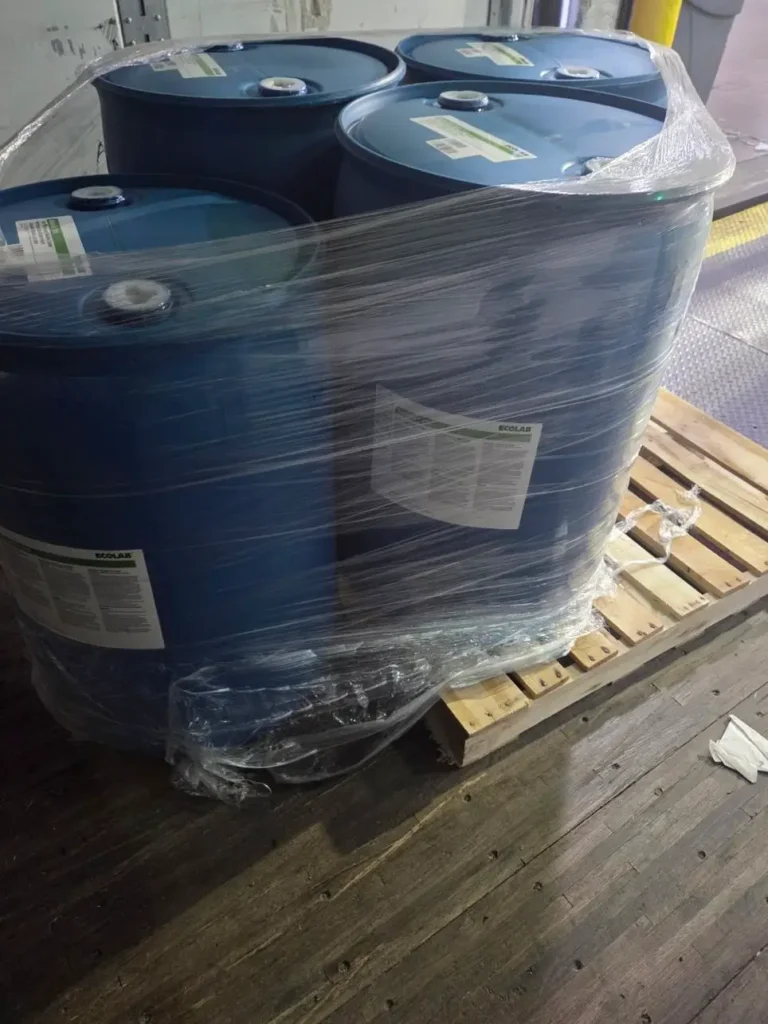
Taking proper steps to prevent hazmat freight from moving is essential to prevent potentially dangerous incidents. FMCSA has performance requirements concerning deceleration in the forward direction, and acceleration in the rearward and lateral directions, that cargo securement systems must withstand. The general requirements are that cargo must be firmly immobilized or secured by structures and material of adequate strength, including tiedowns, shoring bars and dunnage. One of the most common mistakes we see others make is failing to secure freight to the pallet.
4 – Keep it together
Regulations state that hazmat items shipped beside each other and secured by traverse tiedowns have to either be placed in direct contract with other freight or prevented from shifting towards each other when being transported. Space between barrels must be filled with dunnage. Load bars, straps, blocking and bracing must be used to either keep hazmat materials apart or firmly together.
5 – Trailer integrity
Reliable structures and anchor points are required in trailers used to ship hazmat. Headerboards, bulkheads, stakes, posts and mounting pockets have to be strong enough to meet set performance criteria. Having any cuts, cracks, damage or weaknesses is prohibited. To prevent structural failures, it’s important to make an examination inside the trailer part of the pre-trip inspection for hazmat loads.
6 – Beware of nails
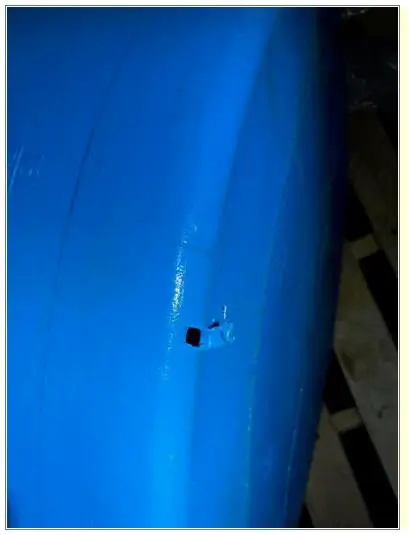
Hazmat shippers have to be extra careful of old pallets with exposed nails that can puncture drums. The picture below shows a ruptured drum that leaked during the course of a run, contaminating the trailer and receiver’s facility. For liquid hazmat loads, consider switching from wooden pallets to plastic to eliminate nail risk. Also consider using – protectors on any freight with corners that could cut into hazmat containers and cause a leak.
7 – Monitor drum fittings
Hazmat drivers have to be on high alert for shifts and breaches of hazmat freight during transport. It is critical to ensure drum fittings don’t come loose and valves and fittings remain secure and don’t get damaged during transport. Leaks can be prevented or minimized with vigilance and early action.
8 – Tracking and monitoring
Technology is boosting safety of hazmat hauls today. Sensors that alert drivers of temperature excursions or excessive movement can be used to monitor and safeguard hazmat loads. Live GPS is used on all TA Dedicated hazmat loads to provide uninterrupted supply chain visibility. Knowing exactly where drivers are enables continuous route optimization to ensure a safe journey when conditions change from weather, traffic or road hazards.
9 – Plan for safety
Detailed preparation ahead of hazmat hauls sets the stage for safe delivery of materials. TA Dedicated’s compliance team reviews every chemical class, lane, and state regulation to map exact requirements from the start. Then we engineer the plan by securing permits, escorts, trailer specs, and driver certifications before hazmat loads are even scheduled.
10 – Proper chemical segregation
Different classes of hazmat materials can have dangerous reactions when intermingled. Safely transporting chemicals depends on proper segregation procedures outlined in federal regulations. Knowing materials which are prohibited from being shipped together and which ones require special handling is critical for preventing dangerous interactions. An experienced hazmat carrier knows proper procedures for separating incompatible materials with specialized packaging or by positioning non-hazardous material between them.
Get the hazmat advantage
Tips of the trade like these are one of the main benefits an experienced partner like TA Dedicated can bring to a hazmat shipper’s supply chain.
Where a dedicated hazmat fleet really shines is by delivering consistent performance both in safety and efficiency. Read our case study to see how one chemical manufacturer benefitted.
Want to learn how a dedicated solution could work for you? Reach out to set up a meeting with our team of hazmat experts, or call us at 651-686-2500.