Scalable Logistics and Transportation for Service Parts Distribution
Service networks depend on consistent parts availability to keep equipment running and customers satisfied. Delayed deliveries or inconsistent transportation can disrupt repairs, increase downtime, and create costly operational delays.
Dedicated service parts distribution provides predictable transportation capacity, optimized routing, and reliable delivery schedules. Manufacturers and service organizations maintain parts availability across dealer networks, technicians, and repair facilities.


Predictable Parts Delivery
Dedicated transportation ensures service parts move reliably between distribution centers, dealers, and repair facilities.

Real-Time Parts Tracking
Real-time tracking and coordinated routing provide visibility into shipments and delivery schedules across the service network.

Faster Repair Turnaround
Efficient transportation networks support next-day and time-sensitive parts deliveries to technicians and repair facilities.

Minimize Equipment Downtime
Reliable parts distribution helps technicians access critical components quickly, supporting faster repairs and reduced operational disruption.
More Stable Supply Chains
Dedicated fleets adapt to fluctuating demand, seasonal service volumes, and regional parts distribution requirements.

Safe Handling for Critical Components
Experienced drivers and standardized handling procedures help ensure service parts arrive intact and ready for installation.
Powering Faster Operations for Repair Networks

Aftermarket Parts Distribution
Support aftermarket parts networks with reliable transportation between distribution centers, dealers, and repair facilities.

Automotive Service Parts for Dealer & Repair Networks
Move parts efficiently across dealer networks, regional distribution centers, and independent repair operations.

Service Parts Distribution for Appliances
Support appliance repair networks with reliable transportation for replacement parts and service components.

OEM Automotive Service Parts Fulfillment
Dedicated transportation supports OEM service parts distribution with consistent delivery schedules and network visibility.
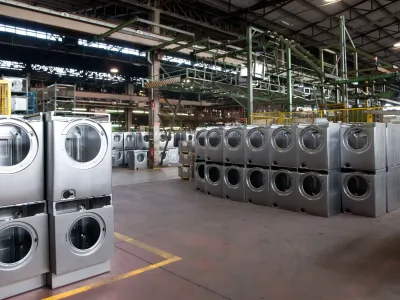
Appliance Warranty Parts Distribution
Reliable parts transportation supports appliance service networks and warranty repair operations.

Technician Parts Delivery
Ensure field technicians receive the parts they need for scheduled repairs and service appointments.

Our Service Parts Delivery Process
1. Analyze Your Service Network
We evaluate service network locations, delivery frequency, and parts distribution requirements.
2. Design the Transportation Model
Dedicated routing plans and fleet resources are configured to support service operations.
3. Launch Dedicated Operations
Drivers, equipment, and scheduling systems are deployed to support consistent service parts deliveries.
4. Continuously Optimize Performance
Performance metrics and operational data guide continuous improvements in delivery efficiency.
Additional Logistics Capabilities Across Your Network
Supply Chain Management
Align transportation with inventory flow and delivery schedules across complex service networks. Our supply chain management services help manufacturers move parts efficiently between distribution centers, dealers, and technician locations.


Job Site Delivery & On-Site Logistics
Deliver parts and equipment directly to construction sites, infrastructure projects, and field technicians. Reliable scheduling helps ensure shipments arrive when crews are ready to complete installations or repairs.
Specialized Freight Services
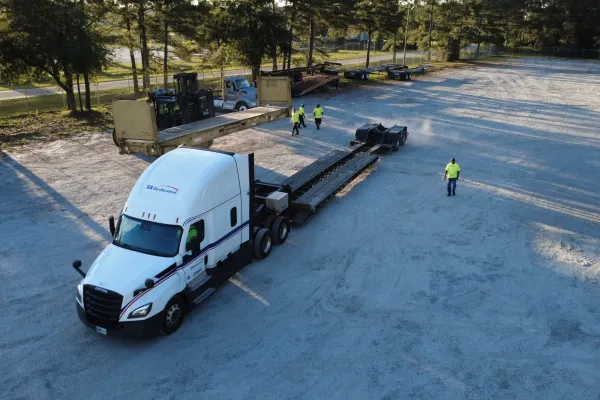
Move oversized equipment and sensitive components that require specialized equipment and careful handling. Experienced drivers and purpose-built trailers support safe, reliable transportation for complex freight.
Nationwide Coverage Supporting Service Parts Networks
Dedicated transportation solutions support service parts distribution across regional and national networks. Flexible routing enables reliable deliveries between distribution centers, service hubs, and technician locations.


Automotive
Dealer service departments run on tight repair schedules and high customer expectations. Our distribution network helps ensure technicians get the parts they need to keep vehicles moving.

Appliances
When household appliances fail, customers expect fast repairs. Manufacturers rely on dependable parts distribution to support warranty service and field technicians.
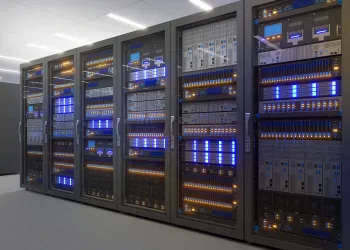
Data Centers
Modern businesses depend on data centers operating without interruption. Our logistics network helps move the equipment and components needed to maintain uptime.
Drive with TA Dedicated
You’ll join a team that values your work, gives you consistent, familiar routes, and respects your home time. We build everything on safety—putting your well-being, the freight you haul, and the drivers you share the road with first.